Notes
What is a schedule reliability index in container shipping?
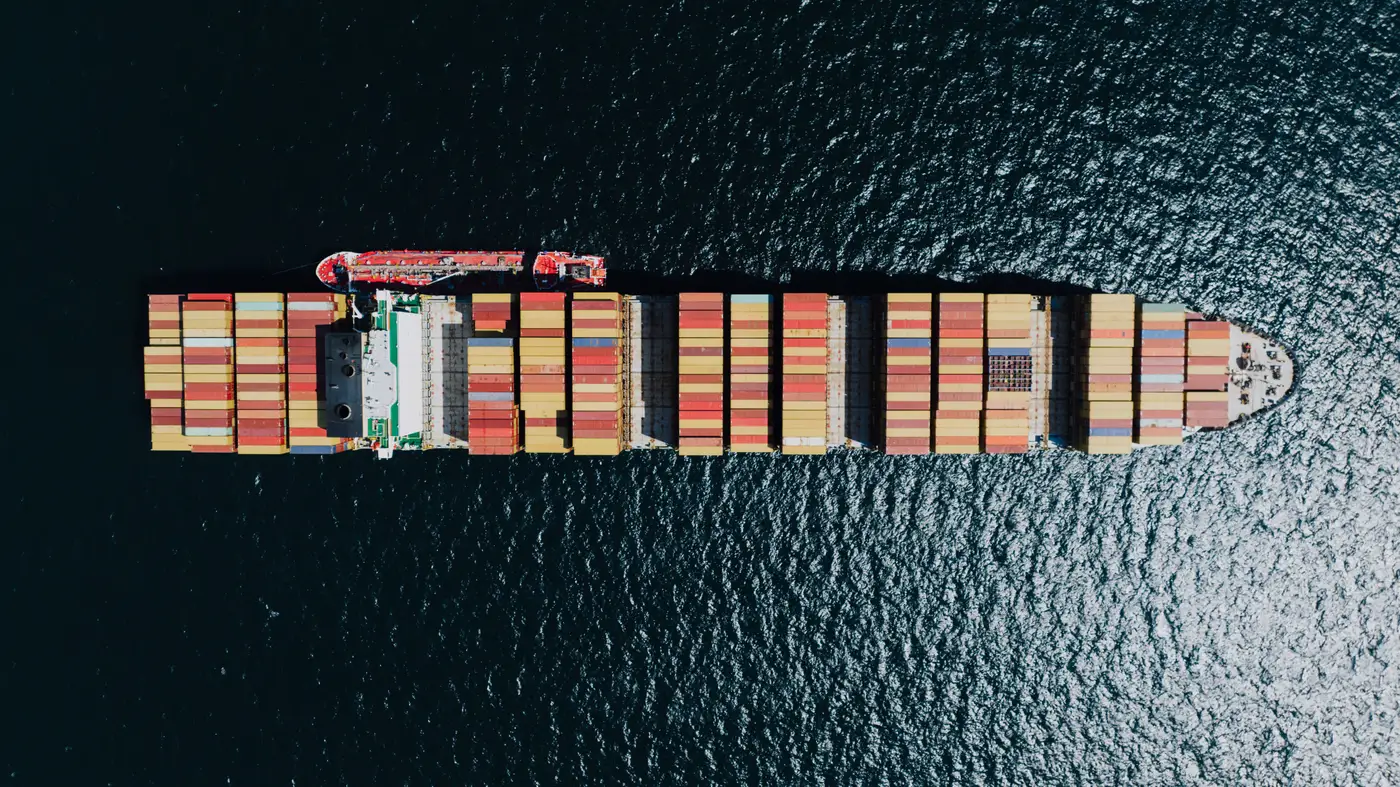
A schedule reliability index is a published measure of how often ocean carriers arrive at port within a set window of the ETA they filed on the sailing schedule, usually plus or minus one day. Sea-Intelligence has run the best-known version of this, the Global Liner Performance report, for over a decade, and Xeneta and a few other data shops publish their own cuts. The index gets quoted constantly in trade press and carrier earnings calls because it's one of the few standardized ways to compare on-time performance across alliances and trade lanes.
The math behind it is simple. Take every scheduled vessel call on a trade lane over a month. Count how many arrived within the reliability window of the filed ETA. Divide. The result is usually reported as a percentage, and it's tracked both by individual carrier and by trade lane, so you can see that, say, transpacific strings have been running tighter or looser than transatlantic ones.
What the index actually counts
The index is built from carrier-reported schedule data, cross-checked against actual arrival records. It tells you whether a specific vessel showed up when the carrier said it would. That's useful for shippers negotiating service contracts and for analysts tracking carrier discipline over a quarter.
What it doesn't tell you is why a vessel missed its window, or what's happening at the berth once it arrives. A ship can hit its ETA dead on and still sit at anchor for four days waiting for a slot. A ship can blow its schedule by a week because of a typhoon detour and still clear the berth fast once it's there. The index measures the promise. It doesn't measure the queue.
There's also a lag built into the reporting itself. Most reliability indices publish monthly, aggregated across a full trade lane, often three to five weeks after the month closes. By the time you're reading September's number, you're already most of the way through October. Good for a quarterly retrospective on carrier performance. Not much use if you're trying to figure out whether a specific port is backing up this week.
Schedule reliability vs anchorage queue length
These two metrics answer different questions, and conflating them is a common mistake when people try to read throughput off carrier on-time performance data alone.
Schedule reliability is a carrier-level metric. It asks: did this operator's vessels arrive when promised, across a basket of port calls over a month. It's a lagging, backward-looking score.
Anchorage queue length is a port-level metric. It asks: how many ships are sitting offshore right now, waiting for a berth, at this specific terminal. It moves daily, sometimes hourly, and it's a much more direct proxy for congestion than a monthly reliability percentage that's already weeks stale by publication.
A port can have carriers posting decent reliability scores and still be running a ten-vessel queue if berth capacity hasn't kept pace with volume. The reliability number says the ships are mostly arriving on schedule. The queue says they're arriving and then waiting. If you're trying to nowcast trade flow through a chokepoint, the queue count and the stack density on the yard are the leading indicators. The reliability index is the trailing scorecard that confirms what already happened.
This is the gap that most desks run into when customs data or port-authority volume releases are still two to three weeks out. Carrier on-time data tells you about the voyage. It doesn't tell you what the yard looks like right now, how many boxes are stacked and waiting for pickup, or how many vessels are queued outside the breakwater. For that, you need something that's counting the physical state of the port daily, not reconstructing a carrier's schedule after the fact. That's the gap Trade Flow Index is built to close, with a daily read on vessel calls, anchorage queues, and container stack density at named ports.
If your read on throughput is still built on monthly reliability percentages and AIS pings, it's worth seeing what a daily port-level feed adds before the next trade release lands.