Notes
Field notes: the week the rumor beat the vote
Every longshore contract cycle produces the same small drama. Somewhere around the second or third round of local meetings, word starts moving faster than the process it's supposed to describe. A trucker hears something from a checker. The checker heard it from a dispatcher who heard it from nobody in particular. By the time the rumor reaches a trading desk three states away, it's been through enough hands that nobody can say where it started, only that everyone's heard it now.
That's roughly what happened this fall. The rumor that a West Coast local was headed toward a work slowdown started circulating on the chat channels desks use for exactly this kind of thing. Three days later, the local actually voted, and the vote confirmed more or less what the chatter had already priced in. Three days doesn't sound like much until you remember that a lot of positions get built or unwound in less time than that, and the people who moved on the rumor had a three-day head start on the people waiting for the press release.
The thing worth sitting with isn't that the rumor was right. Rumors are right often enough to stay in circulation and wrong often enough to burn you, which is the whole problem with trading off them. The thing worth sitting with is that neither the rumor nor the vote was the first signal. The yard was.
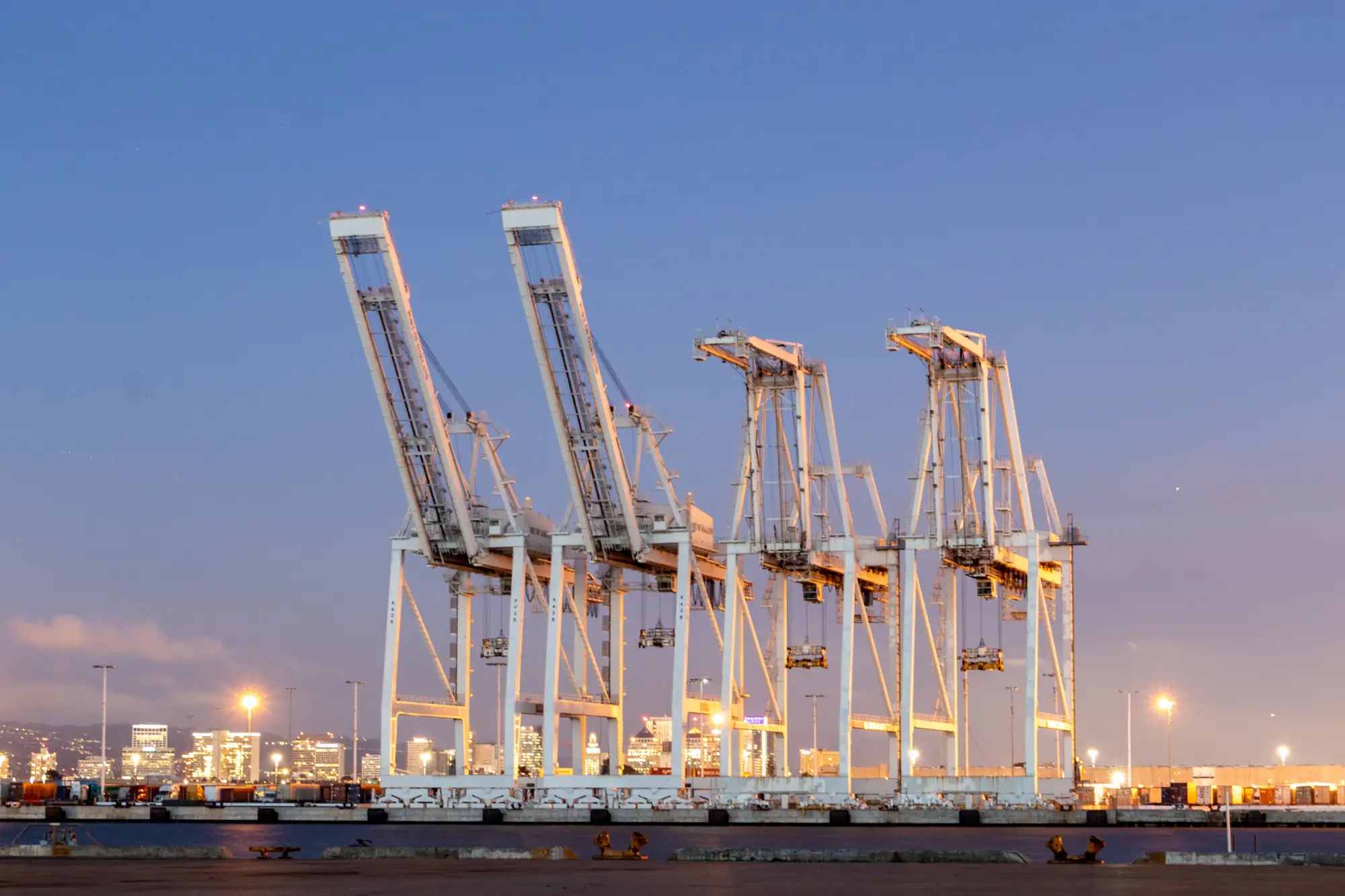
Slowdowns don't start with a vote. They start with a change in pace that shows up in the physical terminal days or weeks before anyone formalizes it: boxes sitting longer between crane moves, stacks creeping higher because outbound pulls have slowed, ships queuing at anchorage because berths aren't turning over on schedule. None of that requires a leak, a source, or a group chat. It's just what the terminal looks like when throughput is already degrading, whether or not the labor side has said a word publicly.
I bring this up because the instinct on a lot of desks, when a labor rumor starts moving, is to work the phones. Call the broker who has a cousin in the local. Call the freight forwarder who swears their guy on the ground knows something. It's a real source, but a thin one: you're buying a probability from someone whose incentive is to sound confident, and you're buying it at the same moment everyone else on the channel is buying the same rumor from the same handful of sources.
Checking the rumor against something that doesn't have an incentive to spin you beats taking it at face value or waiting out the silence. A terminal's stack density and anchorage count either support the story going around or they don't, and that comparison is available well before anyone votes on anything. If the chatter says slowdown and the yard looks normal, you've just gotten a free signal that the rumor is running ahead of reality. If the chatter says slowdown and the stacks have already been building for a week, the vote is a formality you no longer need to wait for.
This is the gap a daily read on container stacks, vessel calls and anchorage queues at named ports is built to sit in, running underneath whatever the rumor mill is saying that week. It won't tell you how a union vote will go. It'll tell you whether the port already looks like one happened.
Next contract cycle, the rumor will beat the vote again. The question is just whether you've got something else to check it against before you decide how much to believe.
Worth keeping an eye on the yard itself the next time the chatter starts moving.